

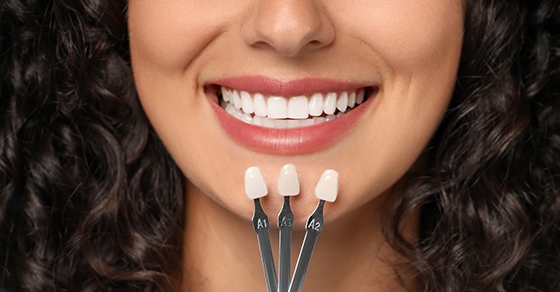
Your smile is often the first thing people notice, and when it comes to improving it, you want a solution that delivers lasting results. Whether you’re dealing with discolouration, damage, or simply want a more confident look, dental veneers and dental crowns offer powerful ways to transform your teeth. But which one is right for you?
When you’re considering a smile makeover or tooth restoration, it helps to understand the available options. Dental veneers and dental crowns are two common treatments used to enhance appearance and function. While both can improve your smile, they serve different purposes. Choosing the right solution depends on your dental needs, aesthetic goals, and oral health. Let’s break down the differences and help you decide which is best for you.
What Are Dental Veneers?
Dental veneers are thin shells made from porcelain or composite resin that are bonded to the front surface of your teeth. They are primarily used for cosmetic purposes, correcting issues such as discolouration, minor chips, or small gaps between teeth. Dental veneers are custom-designed to match the colour and shape of your natural teeth, helping you achieve a brighter, more uniform smile. The application involves removing a small amount of enamel before bonding the veneer in place to create a seamless, natural appearance.
What Are Dental Crowns?
Dental crowns, also known as caps, cover the entire tooth above the gum line. They are typically used to restore broken, weakened, or structurally compromised teeth. This includes cases following a root canal or a cracked tooth. Dental crowns can be made from porcelain, ceramic, metal, or a combination of materials. Unlike dental veneers, which focus on cosmetic improvement, crowns are designed to provide strength and long-term durability.
What’s the Difference Between Dental Veneers and Crowns?
Structure and Coverage
The main structural difference lies in the amount of coverage. Dental veneers are bonded only to the front surface of the tooth, making them ideal for enhancing appearance. Dental crowns encase the entire tooth, providing protection and support for compromised or heavily restored teeth. Applying a veneer generally requires less enamel removal compared to a crown.
Purpose and Function
Dental veneers are primarily cosmetic. They’re often recommended for patients looking to improve the look of their smile by covering imperfections such as stained or chipped teeth. Dental crowns are used when a tooth requires reinforcement due to damage or decay. For example, if you’ve had a root canal, a crown is typically the recommended option.
Materials and Durability
Both dental veneers and dental crowns can be made from similar materials, such as porcelain or ceramic. Crowns may also be made from metal or a metal-ceramic blend for added strength. Dental veneers generally last 10 to 15 years, while dental crowns can last 15 to 20 years or longer with proper care. Maintenance for both includes good oral hygiene and avoiding habits like biting hard objects or grinding your teeth.
Appearance and Aesthetics
Dental veneers are often chosen for their ability to create a flawless, natural-looking smile. They are excellent for brightening teeth and correcting shape or spacing. Dental crowns can also look very natural, especially when made from high-quality porcelain, although they are typically slightly thicker and may appear bulkier depending on placement. Both options offer stain resistance and can be colour-matched to your natural teeth.
When to Choose Dental Veneers
Dental veneers are best suited for patients with:
- Minor chips or cracks
- Discoloured or stained teeth
- Small gaps or slightly uneven teeth
- Healthy tooth structure and gums
If your main concern is cosmetic and your teeth are otherwise healthy, dental veneers may be the right choice to enhance your smile.
When Dental Crowns Are the Better Option
Dental crowns are ideal for teeth that need more extensive protection or tooth restoration. Consider dental crowns if you have:
- Teeth with large fillings or decay
- Cracked or broken teeth
- Teeth that have had root canal treatment
- Severe wear or damage
Dental crowns are often included in full mouth restorations when multiple teeth require reinforcement.
Dental Veneers and Crowns in a Smile Makeover
In many smile makeovers, dentists use a combination of dental veneers and dental crowns. This approach balances cosmetic goals with functional needs. For example, dental veneers might enhance your front teeth while dental crowns restore molars or structurally damaged teeth. At Casa Dental, we work with you to design a personalized treatment plan that fits your smile makeover goals, oral health, and budget.
By evaluating each tooth individually, your dentist can recommend the most effective treatment for both appearance and durability. This strategic combination ensures not only a beautiful smile but also long-lasting function, especially for patients with mixed cosmetic and tooth restoration concerns.
Making the Right Choice for Your Tooth Restoration Needs
Choosing between dental veneers and dental crowns depends on your tooth condition, aesthetic goals, and long-term dental needs. While dental veneers offer a less invasive way to enhance your smile, dental crowns provide essential support for damaged or compromised teeth. Understanding the unique advantages of each treatment is key to making an informed decision.
At Casa Dental, we combine advanced techniques with years of experience in cosmetic and restorative dentistry to help patients achieve strong, natural-looking smiles. Our team takes the time to evaluate your specific situation and recommend solutions that deliver both function and beauty. From simple cosmetic updates to full smile makeovers, we’re committed to helping you achieve the results you deserve.
For more information about our dental veneers or dental crowns treatment options, reach out to Casa Dental today at 888-920-5324 (Toronto clinic) or 905-270-8793 (Mississauga clinic) or click here to get in touch online.
Frequently Asked Questions
Are dental veneers or crowns more durable?
Dental crowns are generally more durable, especially for heavily damaged teeth.
Do veneers look more natural than crowns?
Dental veneers can offer a very natural appearance, especially for front teeth.
Can I get veneers if I grind my teeth?
Teeth grinding may affect veneer durability, so your dentist might recommend dental crowns instead.
Is the procedure painful?
Both involve some enamel removal, but discomfort is minimal with local anesthesia.
Can veneers or crowns fix crooked teeth?
Mildly crooked teeth can be improved with dental veneers or dental crowns, but severe cases may require orthodontics.
Do dental veneers or crowns require special care?
No special care is needed beyond good oral hygiene, regular checkups, and avoiding habits like chewing ice.
Can veneers or crowns be whitened later?
No, they cannot be whitened, so the colour should be selected carefully during placement.




 REQUEST AN APPOINTMENT