

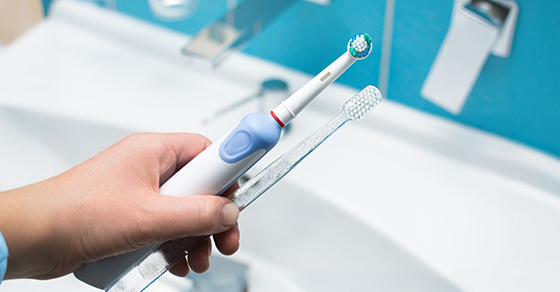
Many patients wonder whether an electric toothbrush or a manual toothbrush is the best toothbrush for their daily routine. With so many options available, it’s easy to feel overwhelmed in the oral care aisle. Should you go with the high-tech gadget or stick with the tried-and-true classic? The truth is, the right choice isn’t always obvious, and it depends on more than just price. You’ll want to factor in your brushing habits, dental goals, and any challenges you face when keeping your teeth clean.
At Casa Dental, we help patients make informed decisions tailored to their needs. This guide will break down the differences and help you choose the right brush for a healthier smile.
Electric Toothbrush vs Manual Toothbrush: Which Is Best for Your Dental Needs?
Electric toothbrushes offer built-in technology that enhances brushing consistency, while manual toothbrushes rely entirely on technique. The right choice depends on your unique needs: are you looking for convenience, affordability, or maximum plaque control? Understanding how each brush works can make all the difference in your daily dental care.
How an Electric Toothbrush Works
An electric toothbrush uses oscillating, rotating, or sonic technology to clean teeth more efficiently. These movements help remove plaque and bacteria by delivering thousands of brush strokes per minute.
Most models also include features like:
- Built-in timers to ensure you brush for the recommended two minutes
- Pressure sensors to prevent damage to the gums
- Multiple modes for sensitive teeth, whitening, or gum care
These tools make an electric toothbrush especially helpful for patients with braces, limited dexterity, or chronic gum issues. They take the guesswork out of brushing and offer a more consistent clean.
How a Manual Toothbrush Works
A manual toothbrush requires proper technique: brushing in gentle, circular motions for two full minutes, twice a day. Without built-in timers or sensors, it’s up to the user to maintain effective brushing habits.
Despite their simplicity, manual toothbrushes remain a highly effective option. They are widely available, affordable, and ideal for patients who already have excellent brushing habits.
For those with strong technique and healthy gums, a manual toothbrush can perform just as well as its electric counterpart.
Comparing Plaque Removal and Gum Health
Dental professionals generally agree that an electric toothbrush is slightly more effective at removing plaque and improving gum health. This is particularly true for users with mobility issues or those who struggle to brush thoroughly.
That said, when used correctly, both an electric toothbrush and a manual toothbrush can effectively clean teeth and prevent gingivitis. The real difference often comes down to consistency and technique.
How to Choose the Best Toothbrush for You
Use this checklist to help decide which toothbrush suits your needs:
- Do you have braces or dental work?
- Do you struggle with brushing technique or have limited mobility?
- Do you have sensitive gums or gum disease?
- Are you shopping on a tight budget?
Remember, the best toothbrush is the one you’ll use consistently and correctly. That might mean investing in an electric toothbrush with features that support your brushing habits, or sticking with a manual toothbrush if it meets your needs and fits your lifestyle.
Cost, Convenience, and Long-Term Value
An electric toothbrush costs more upfront and requires replacement heads every three to four months. A manual toothbrush is inexpensive and can be replaced entirely within the same timeframe.
In terms of convenience, electric models need charging and take up more space when travelling. Manual toothbrushes are lightweight, compact, and ready to use anywhere.
Electric brushes are generally easier to use, particularly for patients with limited dexterity, and they provide more consistent cleaning through built-in timers and pressure sensors. Manual toothbrushes rely fully on proper technique and consistent habits.
Overall, the decision often comes down to whether you value advanced features and consistency or simplicity and lower cost.
When to Talk to Your Dentist About the Best Toothbrush
Your dentist can provide personalized advice based on your gum health, plaque buildup, and brushing habits. If you’re dealing with recurring cavities, tooth sensitivity, or signs of gum inflammation, it may be time to reevaluate your brushing routine and tools. A professional can assess your brushing technique, recommend a toothbrush that suits your needs, and help correct habits that may be affecting your oral health.
At Casa Dental, we offer preventive care and one-on-one guidance to help you protect your smile. We’ll help you choose the best toothbrush for your dental goals and ensure your home routine aligns with long-term oral health and wellness.
Make the Right Electric Toothbrush Choice for a Healthier Smile
When comparing an electric toothbrush to a manual toothbrush, there’s no one-size-fits-all answer. Both options can be effective when paired with good technique and regular dental visits. The right choice comes down to your habits, preferences, and oral health needs.
Choosing the best toothbrush doesn’t have to be difficult. Casa Dental can help you navigate your options and recommend the ideal solution for your smile. Whether you’re ready to upgrade to an electric toothbrush or stick with your trusty manual toothbrush, we’re here to support your dental health journey.
Reach out to Casa Dental today at 888-920-5324 (Toronto clinic) or 888-270-8793 (Mississauga clinic), or click here to book your appointment online.
Frequently Asked Questions
Is an electric toothbrush better than a manual toothbrush?
Both can be effective. An electric toothbrush may provide additional support for plaque removal, especially for patients who struggle with technique.
What is the best toothbrush for sensitive gums?
A soft-bristled electric toothbrush or manual toothbrush is typically recommended. Your dentist can suggest the best toothbrush for your specific needs.
Are electric toothbrushes safe for children?
Yes, many models are designed specifically for children, often with timers and smaller brush heads.
How often should I replace my toothbrush or brush head?
Every three to four months, or sooner if the bristles become frayed.
Can a manual toothbrush clean as well as an electric toothbrush?
Yes, when used properly for two minutes with correct technique, a manual toothbrush can be very effective.




 REQUEST AN APPOINTMENT