

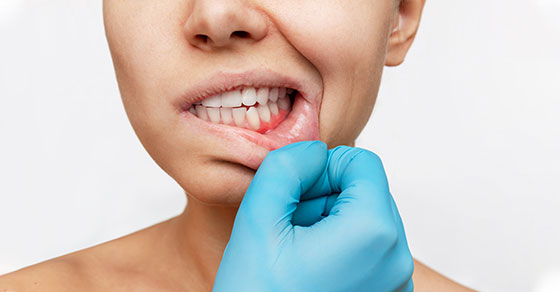
Bleeding gums might seem like a minor annoyance, but they are often the body’s early signal that your gum health needs attention. While occasional gum bleeding might happen due to a missed floss or brushing too hard, persistent symptoms can indicate more serious problems like gum disease.
Understanding what causes your gums to bleed and acting quickly can help protect your oral health before complications arise. In this blog, we will break down the key reasons behind bleeding gums, explain when to see a dentist, and show how preventive dental care can keep your gums and smile strong.
Common Causes of Bleeding Gums
Poor Oral Hygiene
Failing to brush and floss regularly allows plaque to accumulate at the gum line. Plaque is a sticky film of bacteria that irritates and inflames gum tissue when left unchecked. As the gums become irritated, they often swell and start to bleed during brushing or flossing.
Poor oral hygiene is one of the most common causes of bleeding gums, but also one of the easiest to fix. Brushing twice daily, flossing once a day, and using mouthwash can significantly reduce plaque buildup. Maintaining consistent oral hygiene practices is crucial in preventing more serious issues like gum disease.
Gum Disease (Gingivitis and Periodontitis)
Early-stage gum disease, known as gingivitis, occurs when plaque buildup causes gum inflammation. This can result in red, tender, and bleeding gums. If left untreated, gingivitis can develop into periodontitis, which is a more severe form of gum disease that can lead to tooth loss. Periodontitis damages the soft tissue and destroys the bone that supports your teeth.
While gingivitis is reversible with proper oral hygiene and professional care, periodontitis requires more advanced treatment. Regular dental checkups can help identify the early signs of gum disease and ensure timely intervention.
Aggressive Brushing or Flossing
Using excessive force when brushing or flossing can actually do more harm than good. Many people assume that scrubbing harder will result in cleaner teeth, but it often leads to irritated and bleeding gums. This is especially true when using a hard-bristle toothbrush. Instead, opt for a soft-bristled brush and use gentle, circular motions. Flossing should also be done carefully to avoid cutting or bruising the gum tissue.
Proper technique not only helps prevent injury but also promotes better oral hygiene and gum health. If you are unsure, ask your dentist for a brushing and flossing demonstration during your next dental checkup.
Vitamin Deficiencies
Deficiencies in essential vitamins like C and K can compromise gum health. Vitamin C plays a role in tissue repair and maintaining the integrity of your gums. A lack of it can result in swollen and bleeding gums. Vitamin K, on the other hand, helps with blood clotting. When levels are too low, even mild irritation can cause significant gum bleeding. These deficiencies are more common in people with poor dietary habits or underlying medical conditions.
Eating a balanced diet rich in fruits, vegetables, and leafy greens can help maintain strong gums and support overall oral hygiene as well.
Hormonal Changes
Fluctuations in hormone levels during pregnancy, menstruation, or menopause can make gums more sensitive and prone to bleeding. These hormonal changes can affect the body’s response to plaque, increasing the risk of gum disease. Pregnant individuals may experience “pregnancy gingivitis,” characterized by inflamed and bleeding gums.
Maintaining good oral hygiene and scheduling more frequent dental checkups during these times can help minimize the impact. Your dentist can also recommend personalized care routines and products to keep your gums healthy throughout hormonal shifts.
When to See a Dentist for Bleeding Gums
Persistent Bleeding Gums
If your gums continue to bleed for more than a week despite brushing and flossing, it’s time to book a dental checkup. Persistent bleeding gums could be a sign of an underlying issue like gum disease or an infection that needs treatment. Ignoring ongoing bleeding only allows the problem to worsen. A dentist can perform a thorough evaluation to determine the cause and recommend the next steps. In many cases, a professional cleaning combined with improved oral hygiene at home can resolve the issue. But the sooner you act, the better the outcome.
Swollen, Tender, or Red Gums
Gums that appear inflamed or feel sore to the touch are not something to ignore. These symptoms often indicate gum irritation or infection, even if bleeding has not started yet. Redness and swelling are commonly linked to early gum disease, but can also occur due to poor brushing habits or reactions to new dental products. If your gums are noticeably puffy or change colour, book a dental checkup. It’s best to catch and treat any inflammation early before it develops into something more serious.
Recurring Bleeding Gums in Multiple Areas of the Mouth
Do you have bleeding gums in several places instead of just one isolated spot? This may be a sign of a systemic issue rather than a local irritation. This pattern often points to widespread inflammation, which can be associated with advanced gum disease. It’s especially important to act quickly when the problem is more than just a one-off. A thorough dental evaluation can help determine whether the cause is plaque, infection, or something else entirely.
After Dental Work or Medication Changes
If your bleeding gums start following a recent dental procedure or after starting a new medication, you should consult your dentist. While some minor bleeding can be expected after cleanings or treatments, it should not persist. Similarly, medication changes may affect your gums in unexpected ways. A dentist can assess whether the bleeding is temporary or if it signals a more serious reaction. They may adjust your care plan or provide advice tailored to your situation.
How Preventive Dental Care Helps
Consistently Brushing and Flossing
The foundation of healthy gums starts at home. Brushing your teeth twice a day and flossing once daily removes plaque before it has a chance to build up and cause problems. These simple habits keep bacteria under control and help prevent bleeding gums and gum disease. Make sure to use a soft-bristle toothbrush and fluoride toothpaste, and take your time with flossing to clean between each tooth. It might seem simple, but these daily routines are some of the most powerful tools you have for maintaining great oral hygiene.
Regular Dental Checkups
One of the biggest advantages of preventive dental care is catching problems early. Regular dental checkups allow your dentist to monitor gum health and spot early signs of gum disease, like redness or minor bleeding. These issues are far easier to treat when identified early. Your dentist might recommend more frequent cleanings or special rinses to keep your gums in top shape. Prevention is always more effective and less expensive than treatment. Staying consistent with checkups is an easy way to protect against long-term issues with bleeding gums.
Patient Education
Many people don’t realize how important technique and consistency are to gum health. Your dentist plays a key role in educating you about proper oral hygiene, including brushing technique, flossing habits, and dietary tips. They can show you how to reach tricky spots and recommend tools like interdental brushes or water flossers. Understanding your personal risk factors, such as genetics or medical conditions, helps you make better decisions as well. In these ways, education empowers you to take control of your oral health and reduce the risk of developing bleeding gums.
Eating a Balanced Diet and Staying Hydrated
What you eat plays a big role in your oral health. A diet rich in vegetables, fruits, whole grains, and lean proteins gives your gums the nutrients they need to stay strong. Vitamins C and K are especially important for gum health, helping with tissue repair and blood clotting. Drinking plenty of water also supports saliva production, which naturally helps wash away bacteria and food particles. Together, good nutrition and hydration strengthen your immune system and protect against bleeding gums and gum disease.
Get Help for Bleeding Gums with Preventive Dental Care
If you’re noticing bleeding gums, don’t put off getting help. What starts as a minor issue can quickly become a serious problem without professional care. Casa Dental offers expert preventive dental care to diagnose early signs of gum disease, remove plaque, and guide you toward healthier habits. We believe in treating the root of the issue before it becomes painful or costly.
Reach out to Casa Dental for an appointment today. Call our Toronto clinic at 888-920-5324 or our Mississauga clinic at 888-270-8793. You can also email us at info@casadental.ca or contact us here to get in touch online. Let’s protect your gums and your smile together.





 REQUEST AN APPOINTMENT